Raised Bed Gardening for Beginners: The Complete Starter Guide
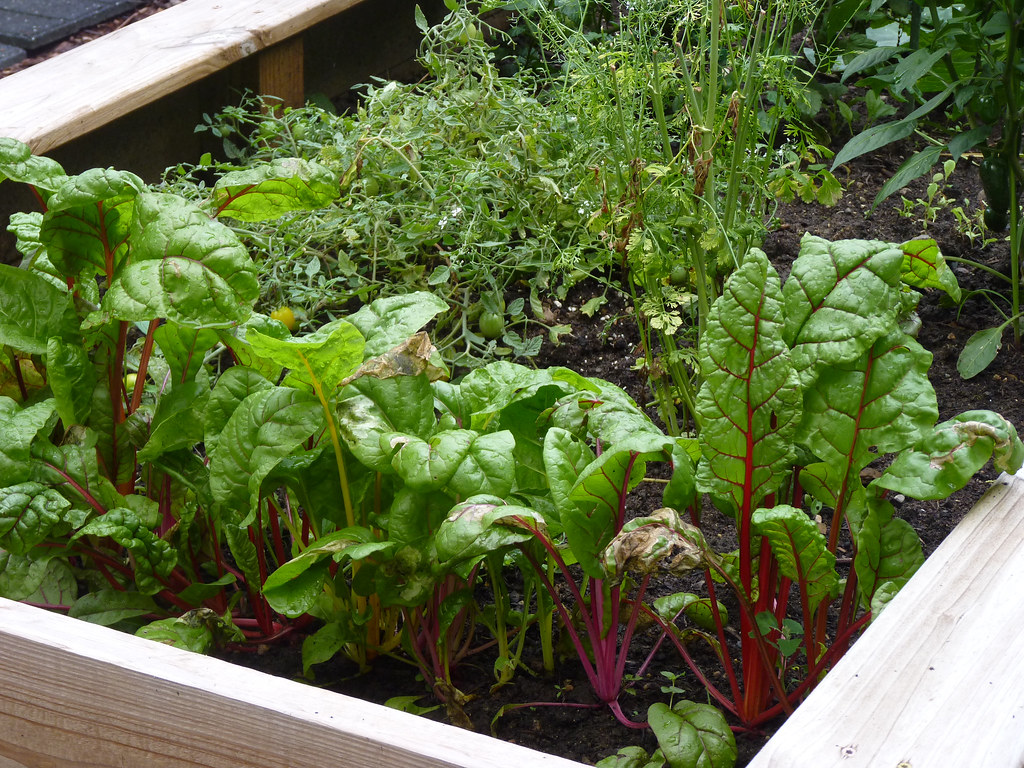
Raised beds are the shortcut to a productive vegetable garden. You skip bad native soil entirely, weeds are dramatically easier to control, the soil warms earlier in spring, and you never step on (and compact) your growing area. One 4×8 bed can produce a surprising amount of food.
Step 1: Pick the spot
Vegetables want 6–8 hours of direct sun. Watch your yard for a day and note where the sun actually lands — this decision matters more than anything you buy. Keep the bed within hose reach; a garden you have to haul water to is a garden that gets neglected by August.
Step 2: Choose your bed
The beginner sweet spot is 4 feet wide, 6–8 feet long, at least 10–12 inches deep. Four feet wide means you can reach the center from either side without stepping in.
- Build it: untreated cedar or pine boards, four corner posts, exterior screws. A basic 4×8 takes about an hour with a drill.
- Buy a kit: galvanized metal and cedar kits assemble in 20 minutes and last years. Costs more, saves the trip to the lumber yard.
No cutting, no sawdust — bolts together in under half an hour and won't rot.
Check price →Step 3: Fill it with the right soil
This is where the magic actually is. A reliable mix:
- 50–60% topsoil (bulk delivery is far cheaper than bags for big beds)
- 30–40% compost — the fertility engine
- 10% aeration — perlite, coarse sand, or fine bark
A 4×8×1 ft bed holds about 32 cubic feet (~1.2 cubic yards). Lay cardboard on the grass under the bed first — it smothers weeds and breaks down into the soil.
Step 4: Plant the easy wins first
First-season all-stars, roughly in order of difficulty (easiest first):
- Lettuce & salad greens — harvest in 30–45 days, cut-and-come-again
- Radishes — seed to harvest in under a month
- Bush beans — plant seeds directly, heavy producers
- Zucchini — one plant feeds a household (two feeds the neighborhood)
- Cherry tomatoes — buy starter plants, stake them, pick all summer
Skip for year one: cauliflower, celery, melons, and anything described as "finicky."
Lettuce, radish, beans, zucchini and more in one bundle — cheaper than buying packets individually.
See seed bundles →Step 5: Water and mulch
Raised beds drain fast, which is mostly good — but it means deep watering 2–3 times a week in summer rather than daily sprinkles. A 2-inch layer of straw or shredded leaf mulch cuts watering needs dramatically and blocks weeds.
Your first-season timeline
- Early spring: build bed, fill with soil, sow lettuce and radishes
- After last frost: plant beans, zucchini, and tomato starts
- Summer: harvest constantly — picking encourages more production
- Fall: sow a second round of lettuce and radishes in the gaps
Total first-year cost runs roughly $100–250 depending on bed choice, and the bed itself lasts many seasons. From year two onward, your main costs are seeds and compost — and your salads are effectively free.
Quick answers
Do I need to remove the grass under the bed?
No — a layer of plain cardboard over the grass smothers it and decomposes by mid-season. Skip landscape fabric; roots eventually need that depth.
How many plants fit in a 4×8 bed?
Roughly: 1 zucchini, 2 tomatoes, a 2-ft row of beans, and salad greens filling the gaps. Overcrowding is the #1 beginner mistake — plants need more room than seems reasonable in May.
Can I use treated lumber?
Modern pressure-treated lumber (post-2003) is considered safe for vegetable beds, but untreated cedar or a metal kit sidesteps the question entirely.